
Celebrating Nelson Malden: A Barber Who Helped Shaped History
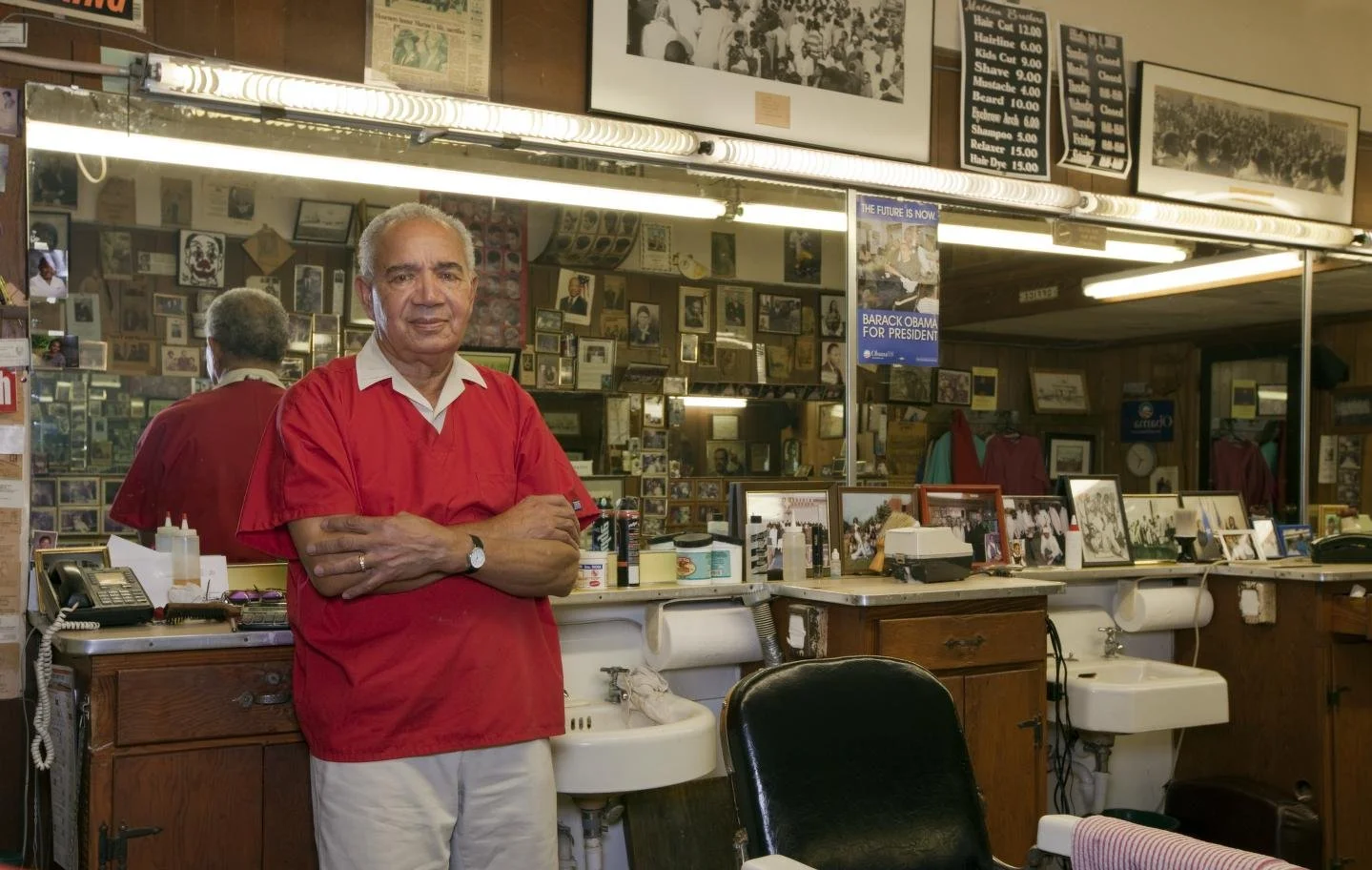
Library of Congress, Highsmith, Carol M.
Celebrating Nelson Malden: A Barber Who Shaped History
As we commemorate Black History Month and Barberpedia’s 10-year anniversary, we reflect on the enduring impact of Nelson Malden, a distinguished barber whose contributions to the Civil Rights Movement helped reshape the course of history. Operating the Malden Brothers Barbershop in Montgomery, Alabama, from 1958, Malden’s barbershop was not just a place to receive a fresh cut but became a vital hub for strategy, solidarity, and change during a pivotal time in the fight for equality.
A Trusted Barber and Confidant to Dr. Martin Luther King Jr.Nelson Malden’s journey alongside Dr. Martin Luther King Jr. began in 1954, when King arrived in Montgomery to pastor the Dexter Avenue Baptist Church. Their connection was immediate, with King becoming a regular patron of Malden’s barbershop. Over time, the relationship grew into one of mutual trust and respect. Malden didn’t just cut Dr. King’s hair; he also became one of King’s closest confidants and a sounding board for his challenges and strategies.
The barbershop became a sanctuary for the Civil Rights Movement. In a time when leaders of the movement faced constant threats of violence and intimidation, Malden’s shop offered not only a place for a haircut but also a safe space where sensitive conversations could take place away from prying eyes.
The Barbershop as a Strategic SanctuaryThe role of Malden’s barbershop extended far beyond the realm of haircuts. During the Montgomery Bus Boycott, it became a gathering place for civil rights leaders to strategize, plan, and share information. As tensions mounted, many activists, including ministers, educators, and community leaders, sought refuge in the barbershop to discuss plans for resistance and solidarity.
At a time when surveillance was ubiquitous, and many activists feared for their safety, the Malden Brothers Barbershop served as a discreet and protected environment. It was a space where ideas could be exchanged freely without the looming threat of discovery, a quiet cornerstone of the Montgomery movement.
A Hub for the Community and the Struggle for EqualityStrategically located in Montgomery’s Centennial Hill neighborhood, Malden's barbershop was situated at the heart of the Black community. Its proximity to the Ben Moore Hotel—a safe haven for African American travelers during segregation—further solidified the barbershop’s importance as a gathering place for Black professionals, activists, and leaders.
The barbershop became a microcosm of the broader fight for justice, a space where people from all walks of life came together to collaborate, plan, and build unity. It was in these walls that ideas for peaceful protests, voter registration drives, and legal challenges to segregation were birthed, shaping the landscape of the Civil Rights Movement.
Legacy and Recognition: A Lasting ImpactNelson Malden’s role in the Civil Rights Movement transcended his work as a barber. His barbershop became a symbol of the resilience, courage, and determination of the African American community during a time of intense racial oppression. Malden’s unwavering commitment to the movement, coupled with the refuge he provided to leaders and activists, played a crucial part in the success of pivotal civil rights initiatives in Montgomery.
Over the years, Malden’s story has been celebrated in books, documentaries, and media outlets that highlight the essential role everyday professionals like Malden played in shaping the course of history. His contributions have been recognized for showing how community spaces, like the barbershop, can become powerful sites of resistance and change, empowering individuals to stand up for justice.
As Barberpedia celebrates its 10-year anniversary, we honor Nelson Malden’s legacy as a testament to the significant role that barbers and community spaces play in shaping social change. Malden’s story serves as a powerful reminder that no matter the profession, we all have the potential to make a difference in the ongoing struggle for equality.
A Tribute to the Unsung Heroes of the Civil Rights MovementWhile Nelson Malden may not have sought recognition for his work, his contributions are deeply woven into the fabric of the Civil Rights Movement. His barbershop was a beacon of hope and solidarity during one of the darkest times in American history. As we continue to celebrate Black History Month, let us remember the everyday heroes whose quiet but vital actions helped create the foundation for a more just and equitable society. Nelson Malden’s legacy stands as a testament to the power of community, the strength of shared purpose, and the indelible impact of everyday heroes in the pursuit of justice.